
Protein Timing and the Anabolic Window
Protein around a workout can support recovery, but there is no universal 30-minute deadline. Start with your daily intake and the meal you ate before training, then plan a practical opportunity to eat afterward.
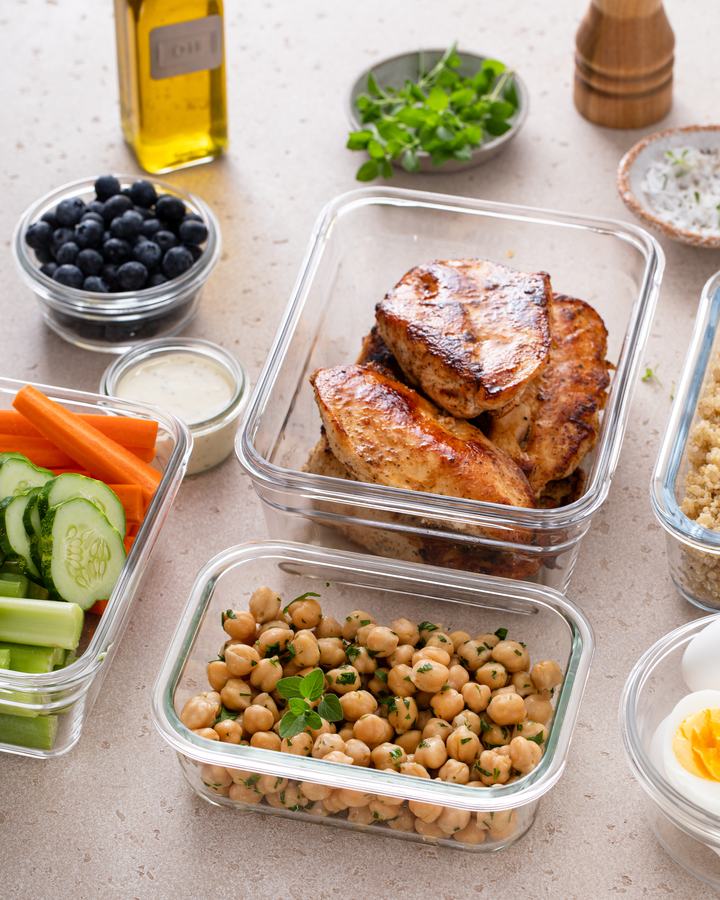
There is no universal 30-minute cutoff
The “anabolic window” is the idea that eating protein around a workout supports the muscle-building response to training. The useful question is how that meal fits with what you ate earlier and what you will eat later. Missing an exact minute is not the same as missing the opportunity to recover.
The ISSN nutrient-timing position stand puts meeting daily protein needs ahead of fine-tuning the clock. It also notes that the size and timing of a meal before exercise affect the case for eating protein afterward. This supports planning food around your session, rather than treating every workout as if it starts after an overnight fast. [1]
What the before-versus-after research found
A 2025 systematic review directly compared protein taken before and after training. It included five studies reported in six publications, with training interventions lasting at least four weeks. The pooled results did not show a clear difference in lean body mass between the two timings. Strength results were less consistent: chest-press results showed no clear difference, while a leg-press result favored taking protein beforehand. [2]
That is a narrower finding than “timing never matters.” It compares the timings studied; it does not show that skipping food for the rest of the day works equally well. It also does not make a short-term rise in muscle protein synthesis identical to a long-term increase in muscle size.
A response measured in hours is not a stopwatch deadline
The 2017 position stand describes muscles remaining more responsive to protein for at least 24 hours after resistance exercise. It still recommends eating after training rather than deliberately withholding food. The two points belong together: recovery continues beyond a tiny window, and an appropriate meal remains useful. [1]
Plan from your last meal and your next one
Start with two questions: When did I last eat a meal containing protein? And when can I next eat comfortably? Use those answers to spot a practical gap.
| Your situation | A practical next step | What to avoid |
|---|---|---|
| You train before breakfast | Prepare breakfast or a portable protein-containing option for afterward. | Turning “no narrow window” into a reason to keep postponing food. |
| You ate a meal before lifting and lunch follows | Include your usual protein-containing lunch in the day's plan. | Adding a shake automatically because the workout ended. |
| Your commute leaves a long gap before dinner | Plan something you can eat during that gap, rather than improvising when it arrives. | Making a routine that only works when you reach home immediately. |
For example, imagine a workout ending at 12:00 after a protein-containing breakfast, with lunch planned for 13:00. That schedule presents a different question from an early session followed by several hours without food. These times illustrate the planning decision; they do not establish an optimal interval or personal protein dose.
Does the protein have to come from a shake?
No. NIH's Office of Dietary Supplements explains that athletes can often meet their protein needs with food; supplements can help when needed. Convenience may make a portable option useful, but the clock alone does not tell you to buy a supplement. [3]
Check the food or drink you actually use. A product's protein number is tied to the serving printed on its label. The nutrition-label guide shows how to adjust that number to your portion.
Three ways to make timing more useful
- Check the whole day first.A carefully timed serving does not tell you whether the rest of your eating pattern meets your needs.
- Include the meal before training.Keep it in view when deciding what you need afterward, rather than assuming every session begins in the same nutritional state.
- Choose a routine you can repeat.Use your work, travel and meal schedule to plan an opportunity to eat. The goal is a workable routine, not an alarm that makes you anxious about a missed minute.
For individual amounts, dietary restrictions or supplement decisions involving a medical condition or medication, discuss the plan with a qualified dietitian or your health care professional. The timing studies do not provide a personal prescription for every reader. [3]
Protein timing questions
Did I waste the workout if I did not eat immediately?
The evidence does not support a universal 30-minute cliff. Look at your day's food and your last meal, then eat as your plan allows rather than treating the session as wasted.
Is protein before training always better?
No. The 2025 review's strength findings were mixed, and it did not find a clear difference in lean body mass between before and after. That does not establish one timing as best for everyone.
Should I delay food because the response lasts longer?
The position stand does not recommend doing that. A longer response window is a reason to avoid an arbitrary deadline, not a reason to miss eating opportunities.
Sources
- Kerksick et al. (2017): ISSN position stand on nutrient timing — daily intake, meal context, protein response and practical timing. The authors' industry disclosures are included in the paper.
- Casuso and Goossens (2025): Does Protein Ingestion Timing Affect Exercise-Induced Adaptations? — the published abstract reports the five-study direct before/after comparison.
- NIH Office of Dietary Supplements: Exercise and Athletic Performance — food and supplements, and when to seek individual guidance.