
Make sense of protein timing
Read the before-versus-after evidence, consider your last meal and plan an eating opportunity that fits your day.
Make the next food decision clearer: when to eat protein, how to read the portion on a label, or how an eating pattern fits your training. Start with the available resources below.
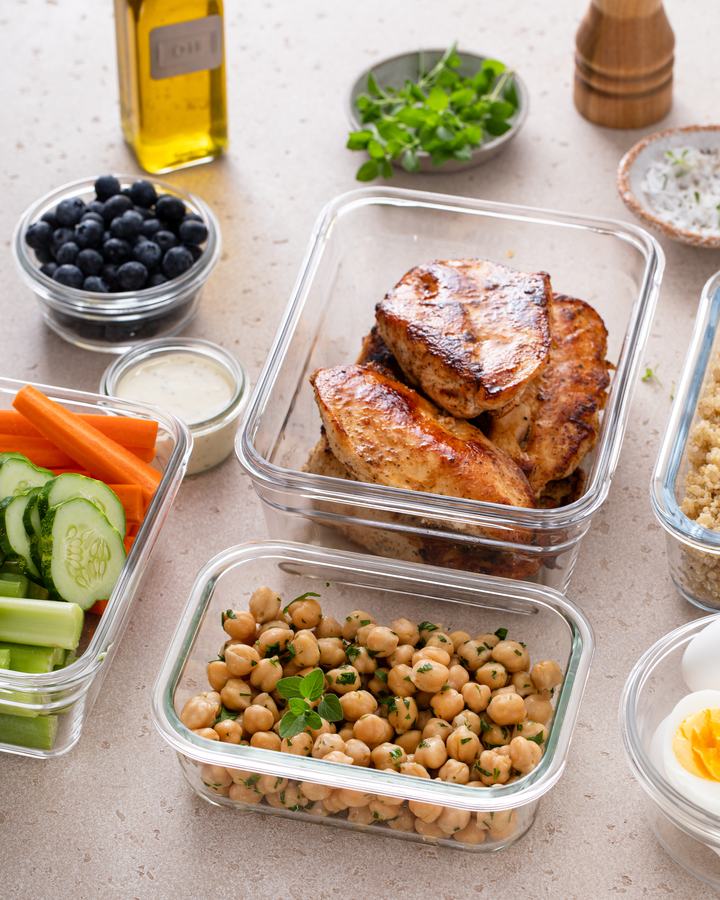
Read the before-versus-after evidence, consider your last meal and plan an eating opportunity that fits your day.
Turn a printed serving into the portion you eat. Work through an original example and understand % Daily Value.
Start with your preferences, practical constraints and the differences between eating patterns.
Find the two detailed guides available now and the nutrition topics still in preparation.
A food label answers a question about a stated serving. A timing guide answers a question about when food fits around training. Use both pieces: check what the portion provides, then consider when you can eat it.
For example, our label-reading guide uses a fictional food containing 12 g of protein per 150 g serving. A 225 g portion would contain 18 g. That arithmetic tells you about the portion; it does not tell you what your personal protein target should be. The FDA makes the same distinction between a label's serving size and a recommendation about how much to eat. [1]
For timing, the ISSN position stand puts daily protein intake ahead of fine details of the clock and considers the meal before exercise. A useful routine keeps the whole day in view. [2]
The detailed food pages, recipe collection and meal-plan collection below are in preparation. They are not food-composition records or finished meal plans you can open yet.